
No Road to These Trees
Into the hidden swamps of the Altamaha River, Part 1.

Near my home in the valley of the Altamaha River, in its delta with the Ohoopee, a large tract of wild land has remained in private hands. It belongs to a family-owned lumber company based in Savannah. For generations, this land has been used for hunting.
Although the property begins less than a mile from my farm, I never set foot on it.
Then I got lucky.
I met the land manager. One day, Honeybun, as people call him, and his wife, Angie, knocked on my door. A dog had shown up at their home, and they were trying to figure out where he belonged.
Honeybun is an inch or two taller than me, with broad shoulders. His face is tanned from work outdoors. In the year I’ve known him, I can attest to his generosity, his kind-heartedness, his vision of community. Angie is blonde, friendly and capable, someone you’d want on your team, whether it’s chess or trivia. You won’t meet nicer people.
Honeybun offered to show me the property.
When the (nature) writer and my friend Chris Fink visited in early April with his family, I needed a few excursions for them. I texted Honeybun. “Would you take six of us to see the woods?”
“I’d be happy to give you all a tour,” he said.
You, reading this, won’t be able to see this property, not easily. You won’t see these sights from any road. No public trails will take you down among these trees. So I want to open up the photo album and show you the wild coastal plains of the southern U.S., a strange and fantastical place, mysterious and alluring landscape.
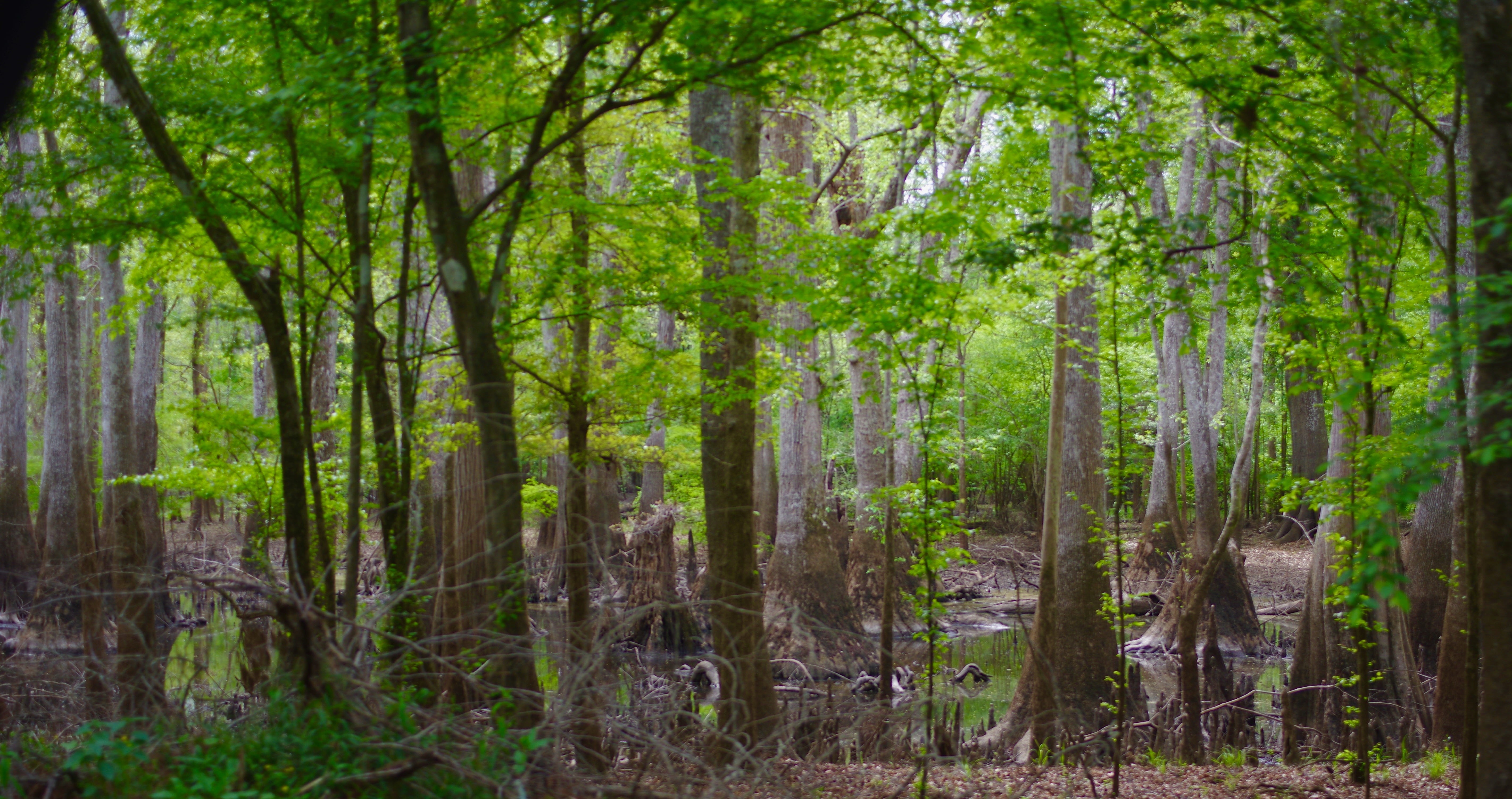
We started in the pine uplands in an all-terrain buggy, threading our way along sloughs, headed south to the Altamaha River a few miles away. (The property is thousands of acres.)
Chris Fink is a tree man. When I worked with him last winter at Beloit College, Wisconsin, where he’s a professor, a few times we walked the campus, looking at trees. He knows trees not only by leaf shape, but also by bark and tree form (round, pyramidal, weeping).
Now he was among millions of trees, trying to identify everything he saw. “Is that a beech?” he’d ask me. “River birch? Red maple?”
Some trees I knew, some I didn’t.
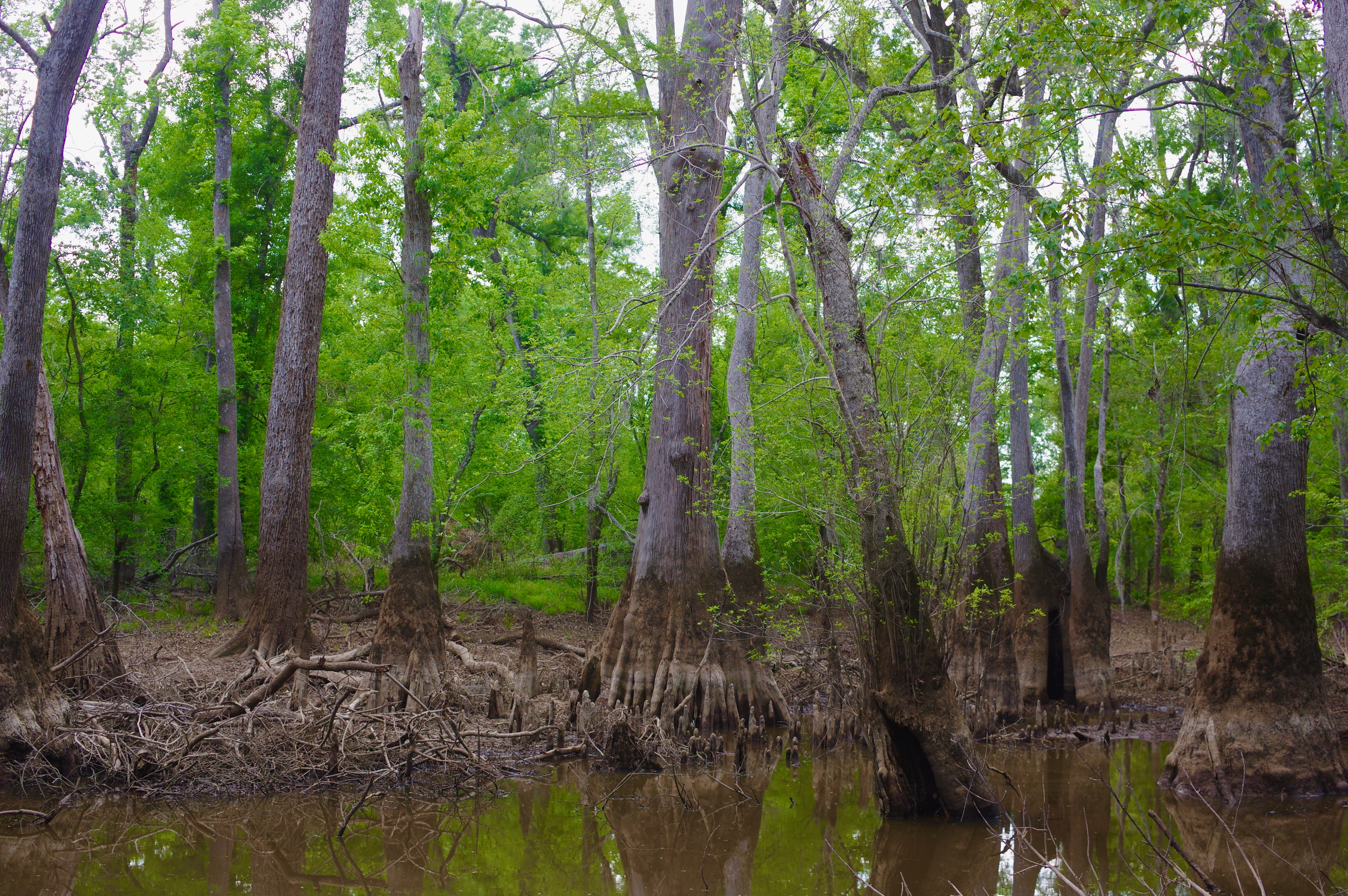
We rode a long time before we got to the river. We’d stop to hop out and look at things. The sloughs got deeper and richer.
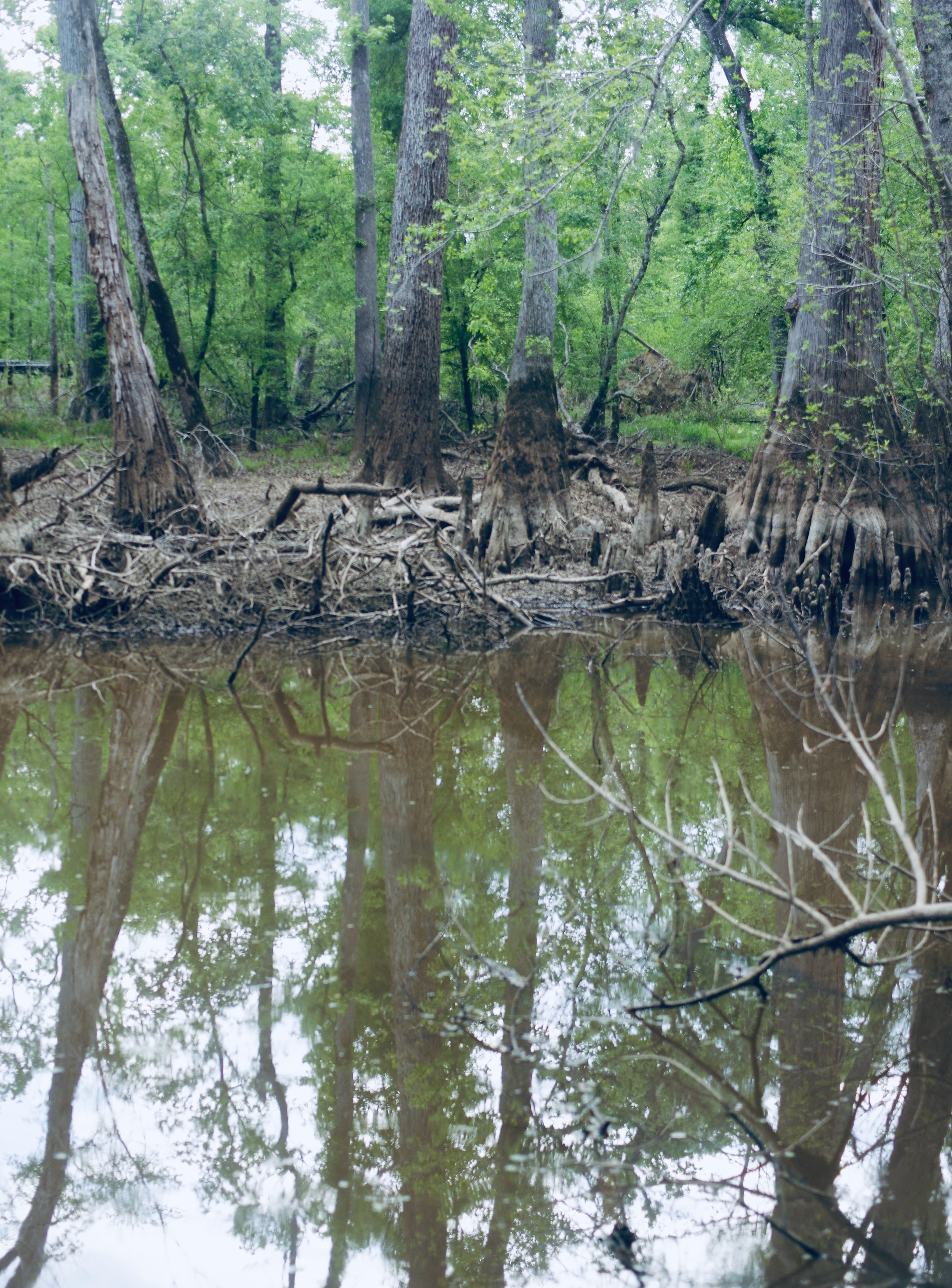
Down along the oxbows on this amazing property, cypress trees tower. Bald cypress are often surrounded by knees, thick and tall,
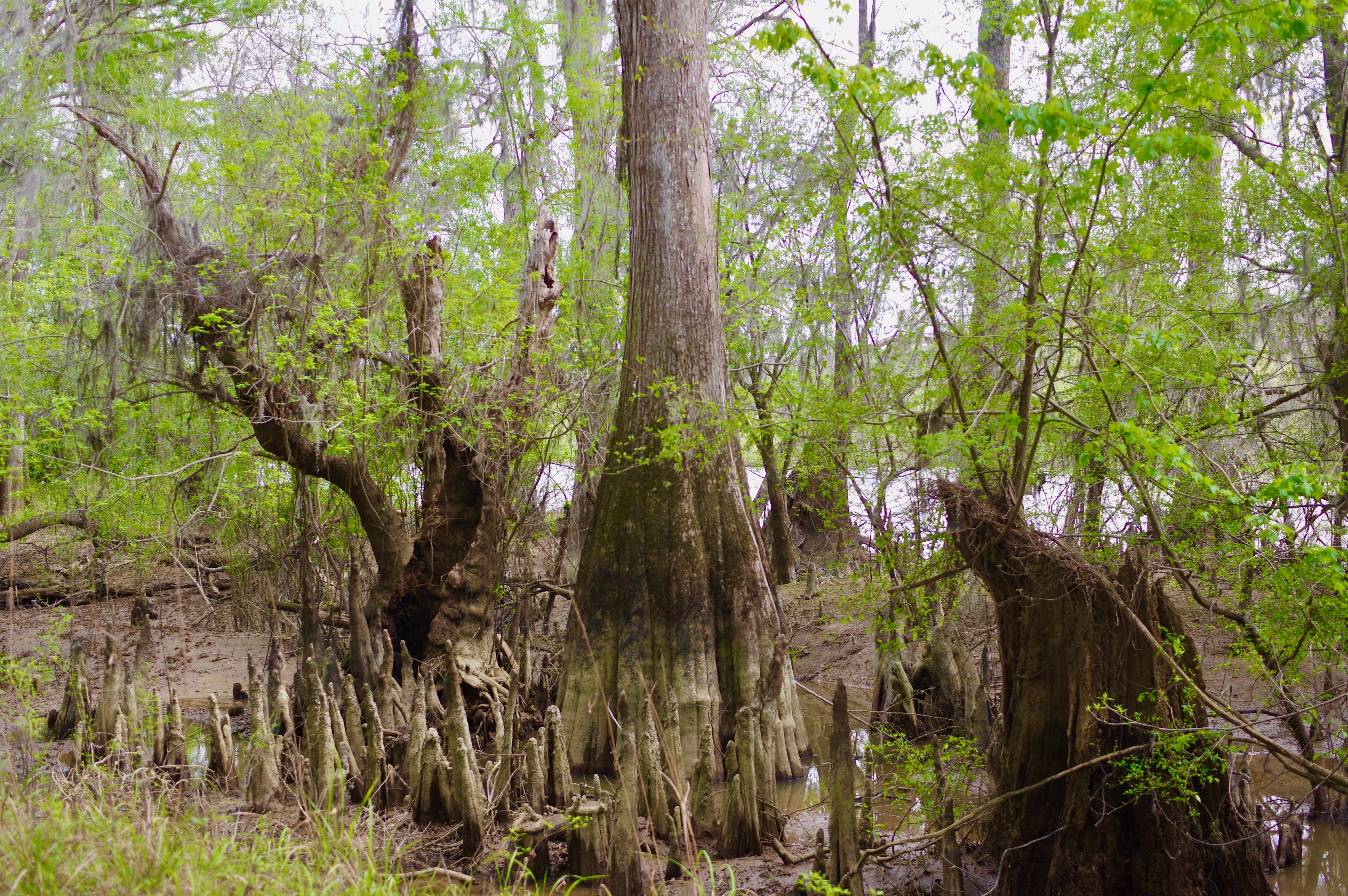
a great unresolved mystery in botany. An article from the Harvard Arnold Arboretum called cypress knees an “enduring enigma.”
Perhaps the knees assist with aeration or oxygen transfer. Perhaps they are supports—anchors. Perhaps they trap sediment or protect trees from the dynamic energies of moving water,
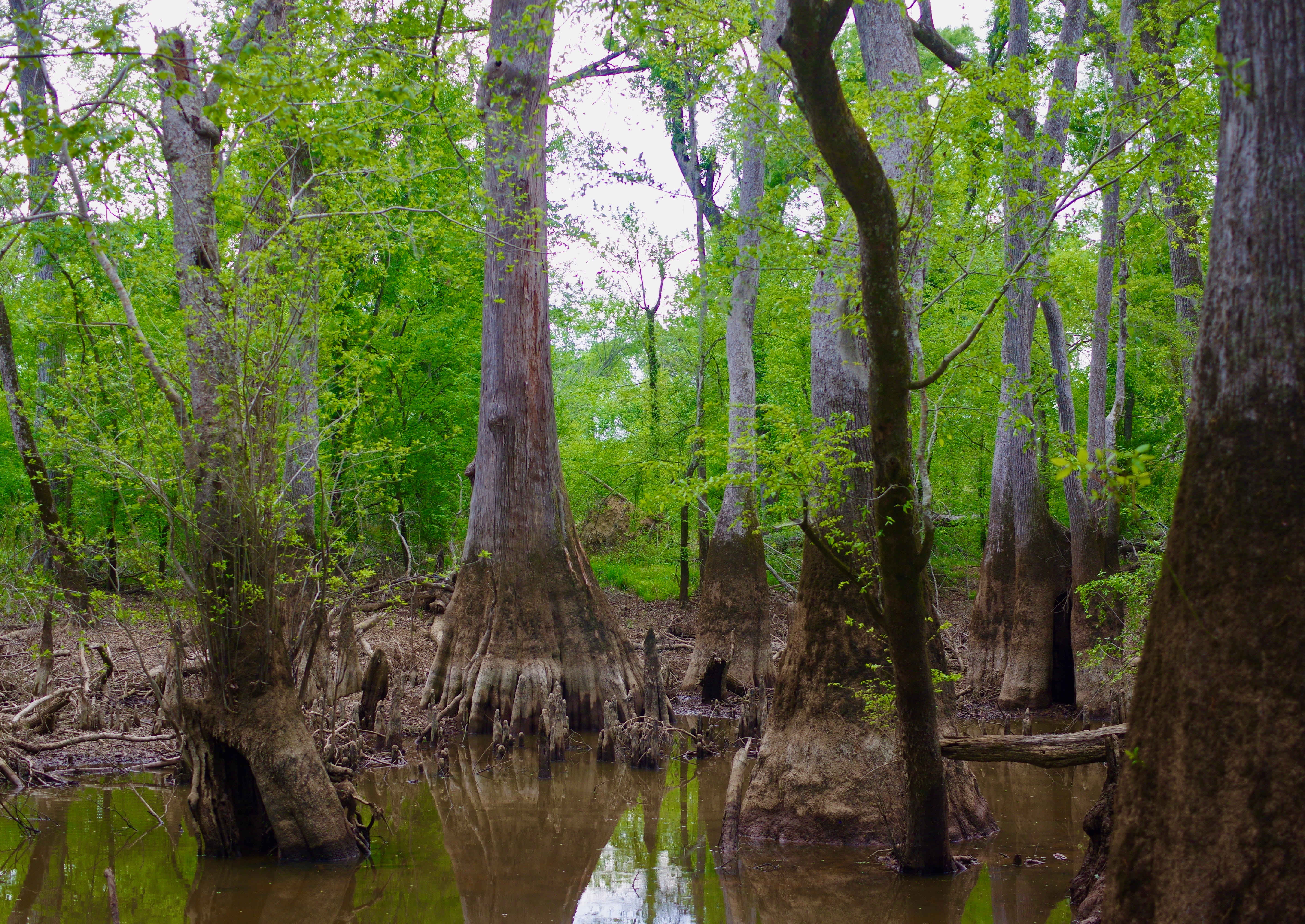
the element that dominates this territory. Although the water has fallen away now, after weeks without rain, water’s presence is recorded on trunks,
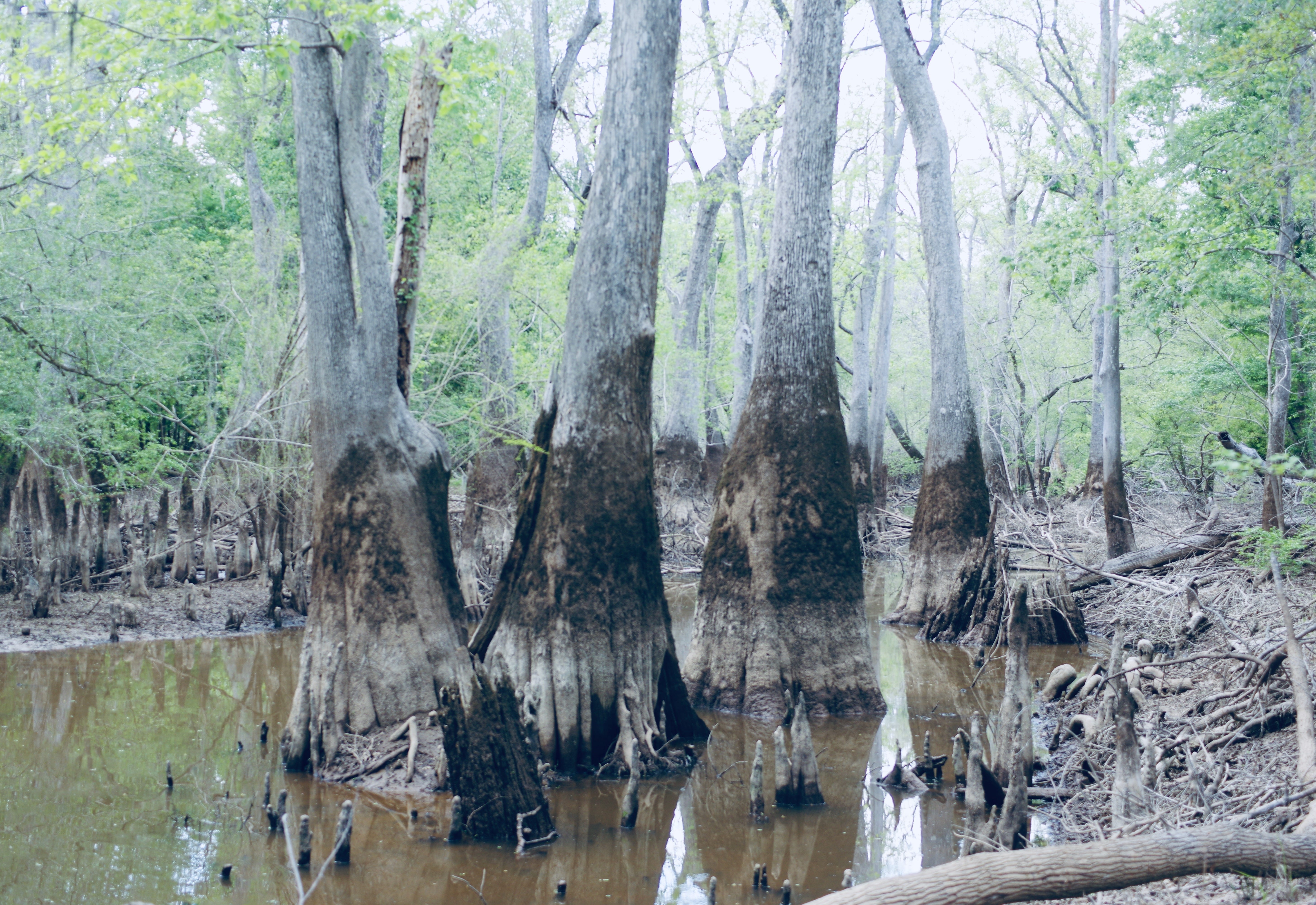
high-level marks stained into the bark by potions of concentrated tannin, like bands of gray-brown light.
Finally, we reached the source of these fluvial energies, the grand old Altamaha,
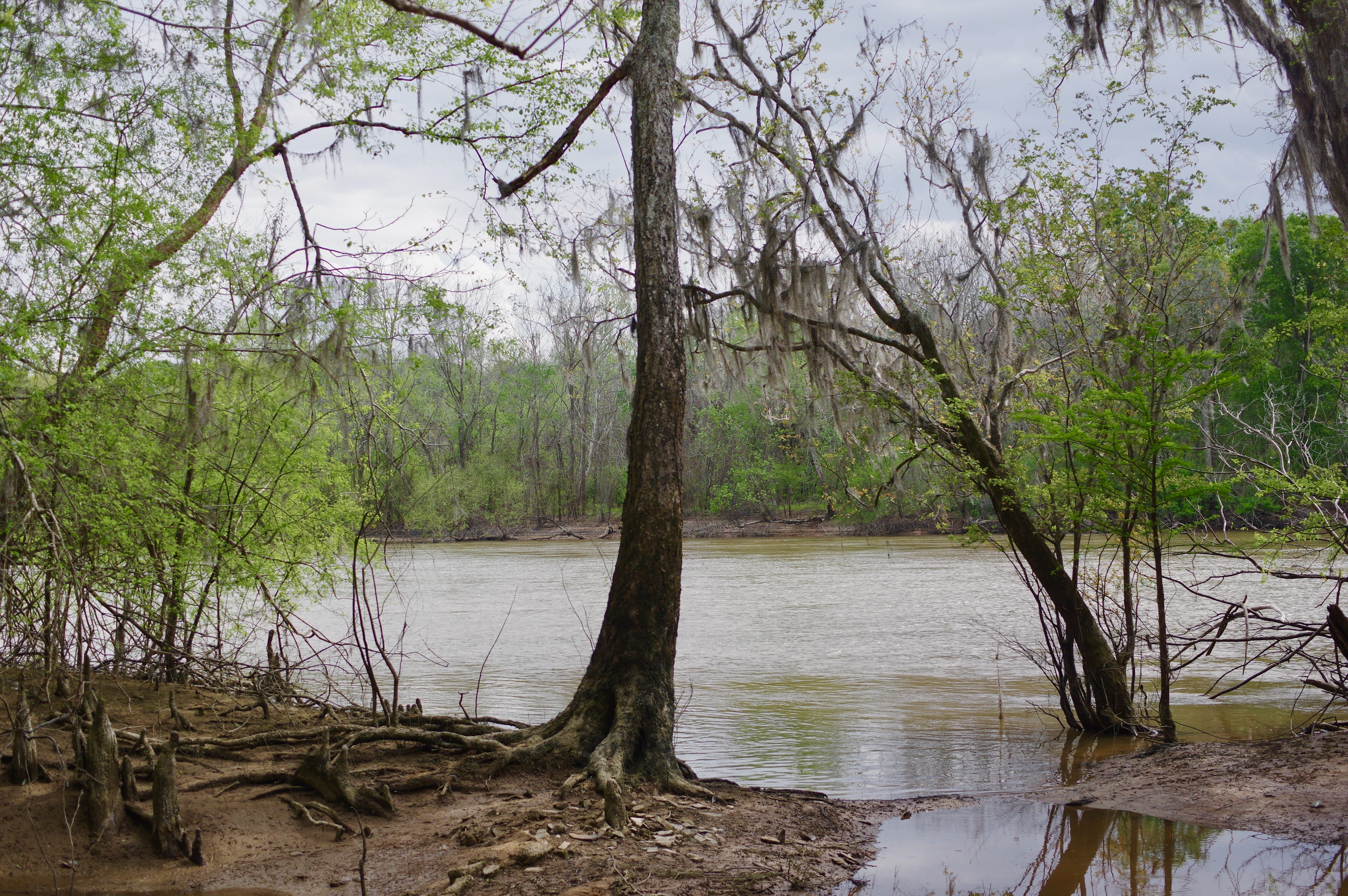
a sedimentary river that starts in the foothills of the Appalachians, where it goes by other names. Two main rivers come down the state of Georgia—the Ocmulgee and the Oconee—and these converge in rural Telfair County, Georgia to become the Altamaha. From The Forks, as it’s called, the river travels 100 miles to the Atlantic Ocean, where it divides into braids that empty around Darien and Brunswick.
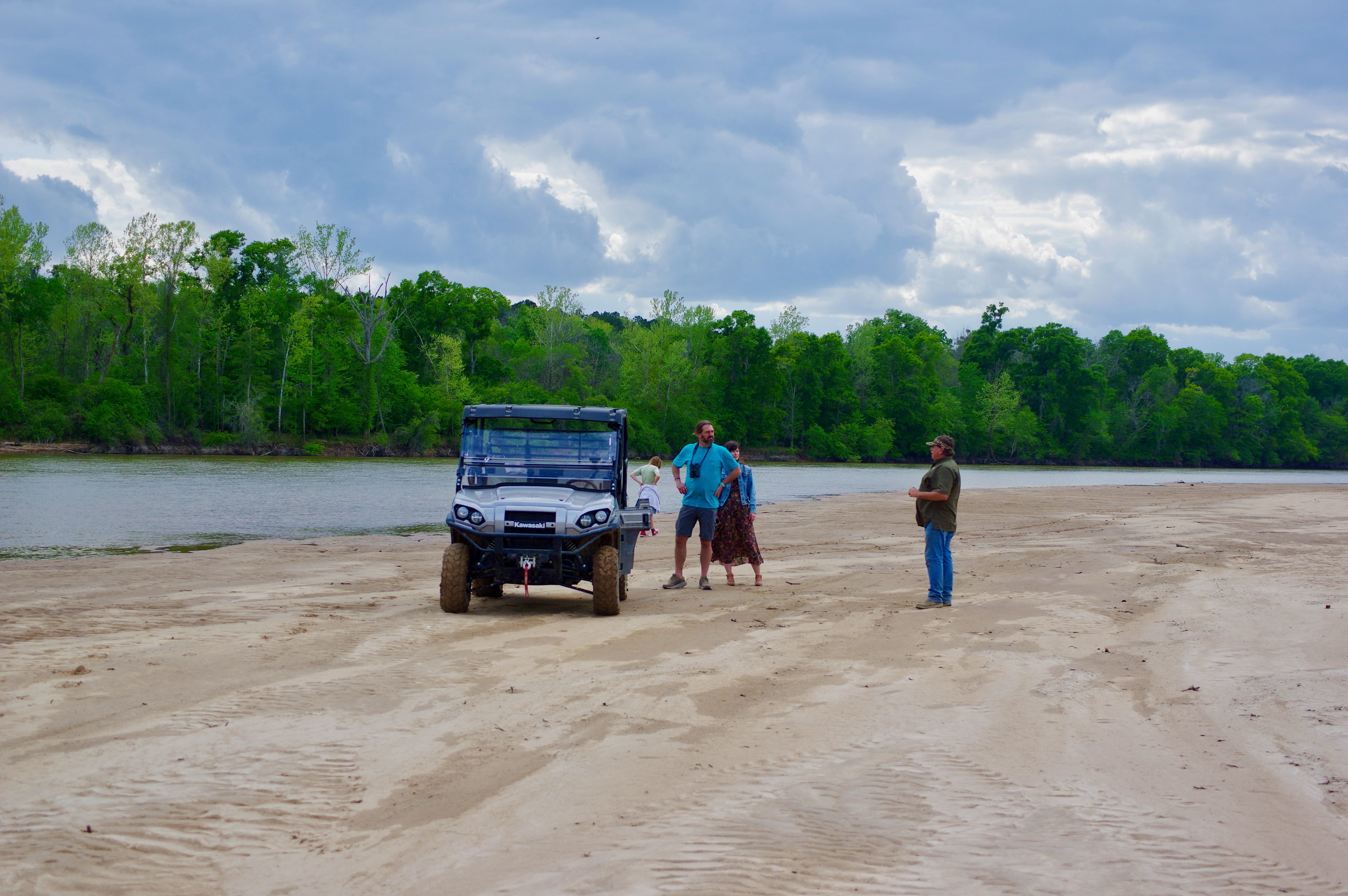
In times of drought, such as we’ve had this spring, large sandbars
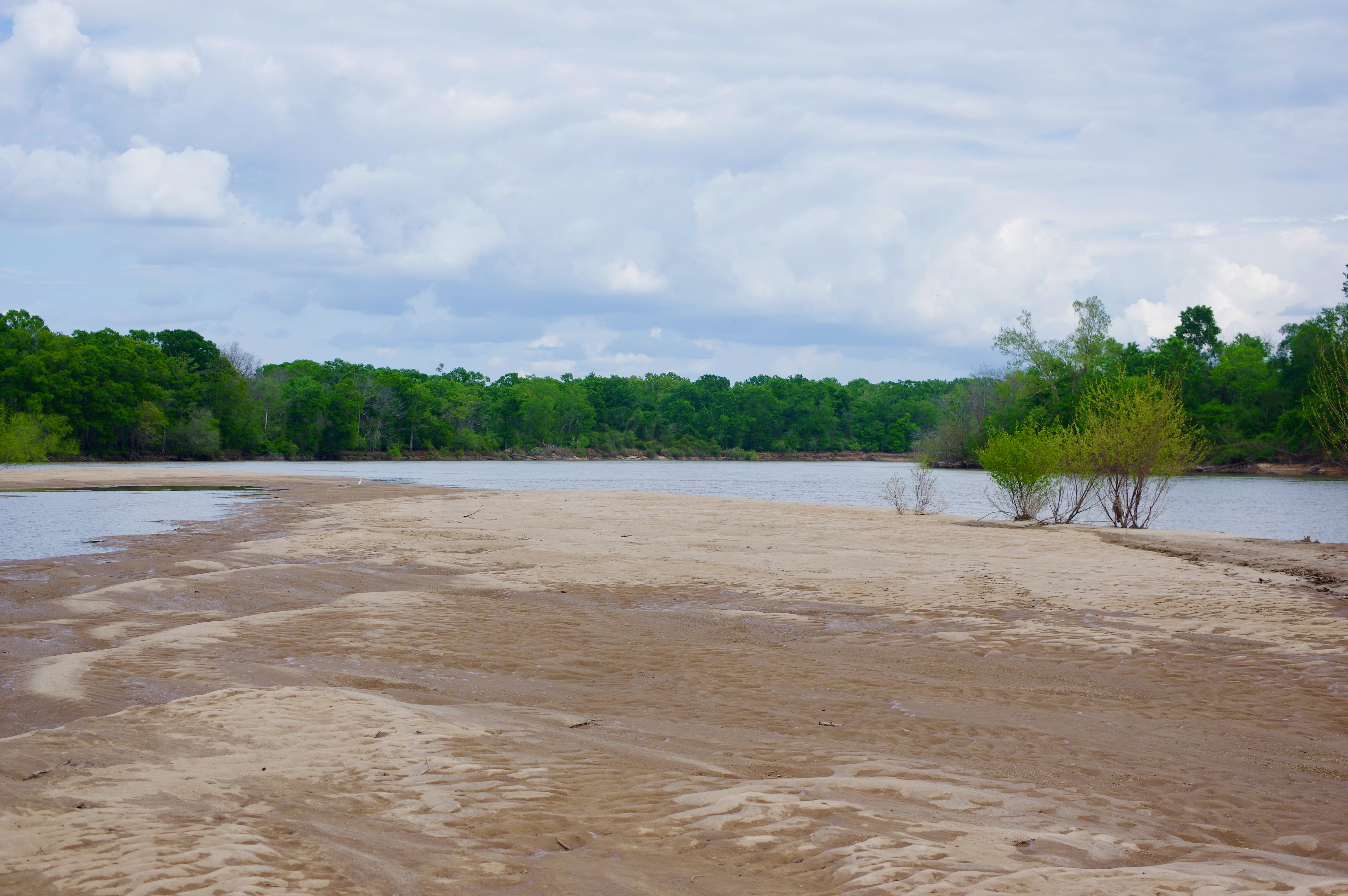
become exposed along the Altamaha. With little danger of flash flooding, these bars turn into beaches and camping areas.
Sandbars are cuneiformed with the tracks of egrets, herons, rails, bitterns, and wild turkeys. Increasingly, there are wood storks, white ibis, even roseate spoonbills. A bald eagle has been nesting nearby. The skies can whirl with Mississippi and swallow-tailed kites.
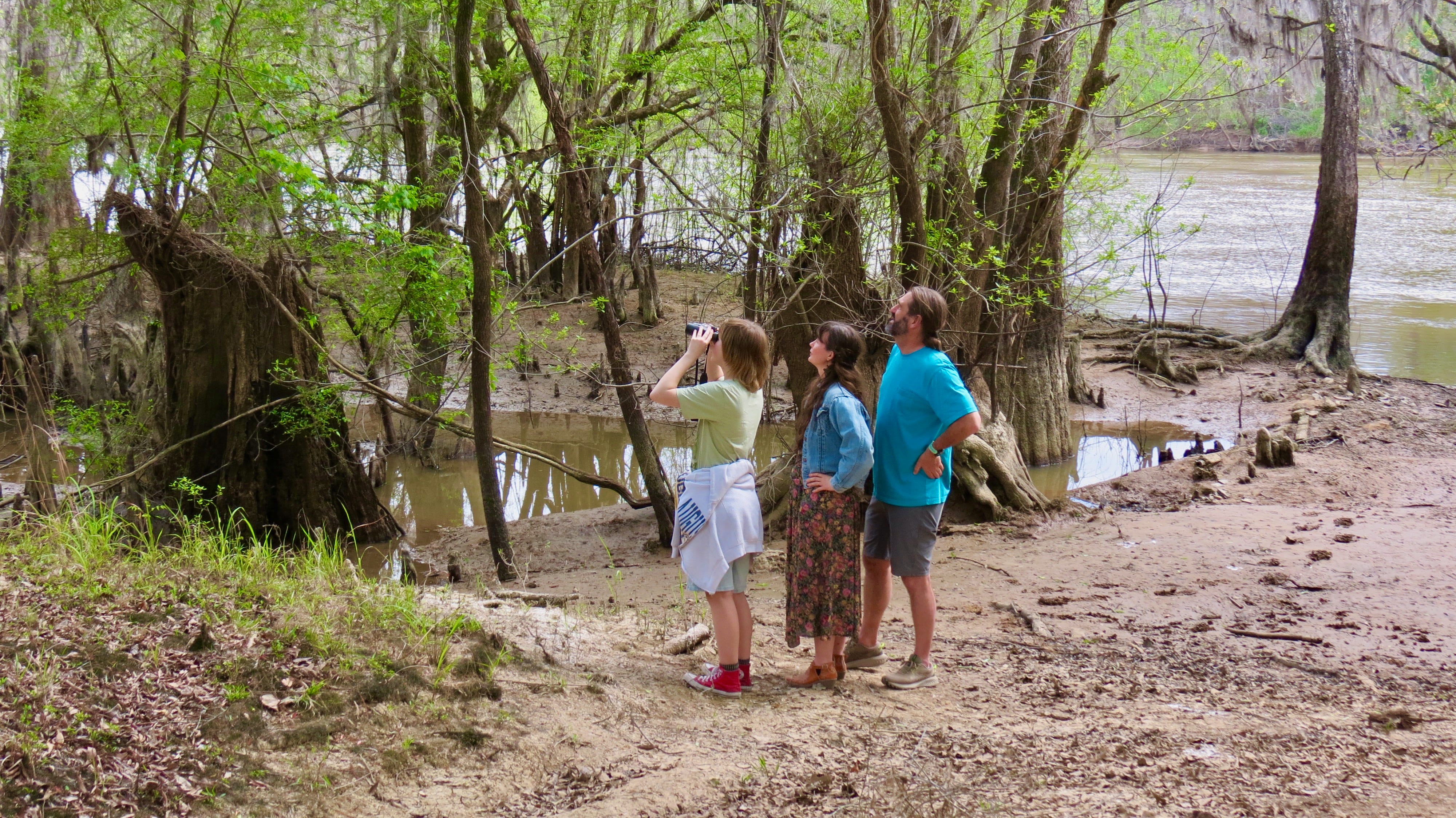
Bird life is rich and satisfying.
So is life with friends,
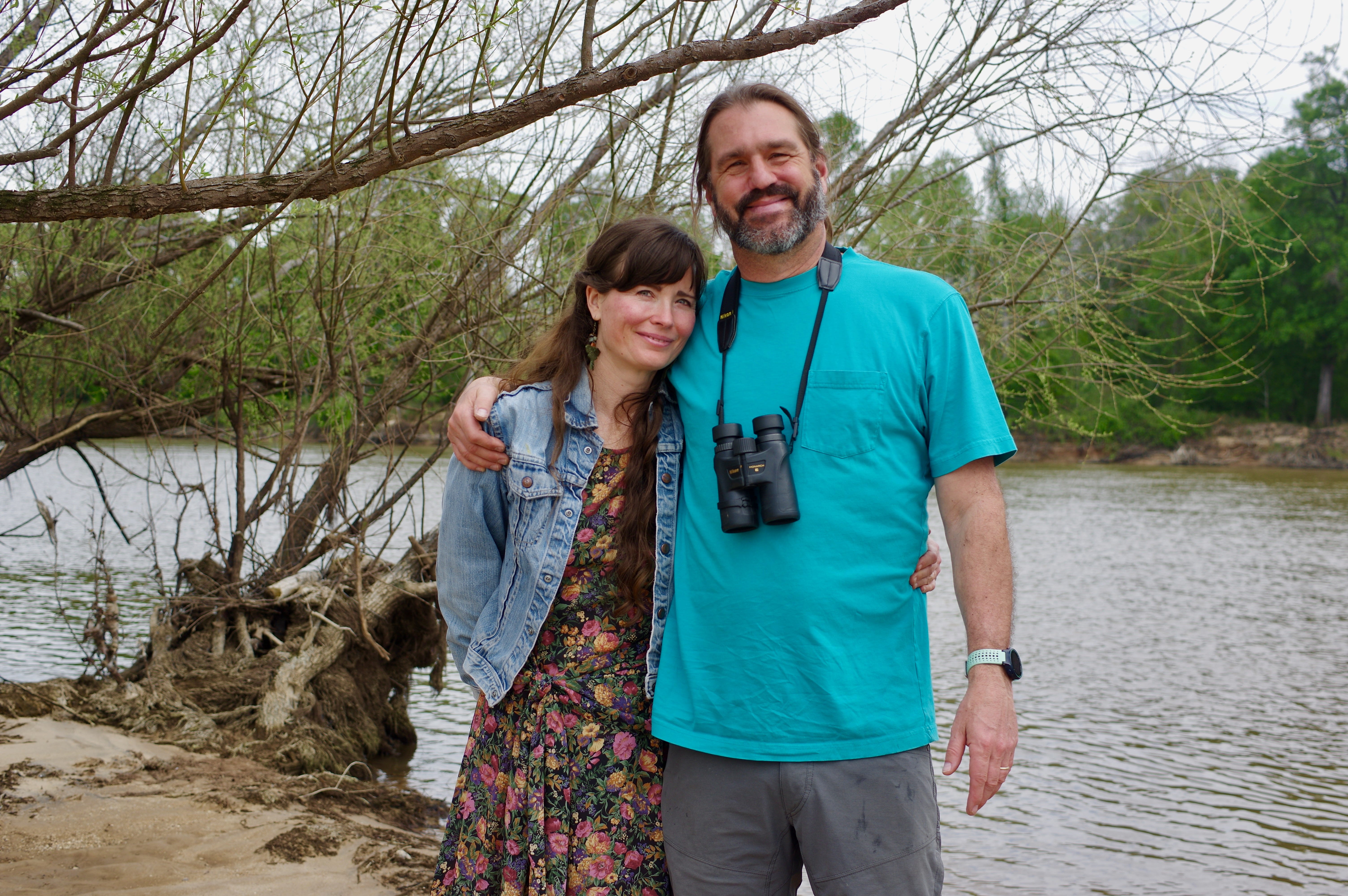
like these
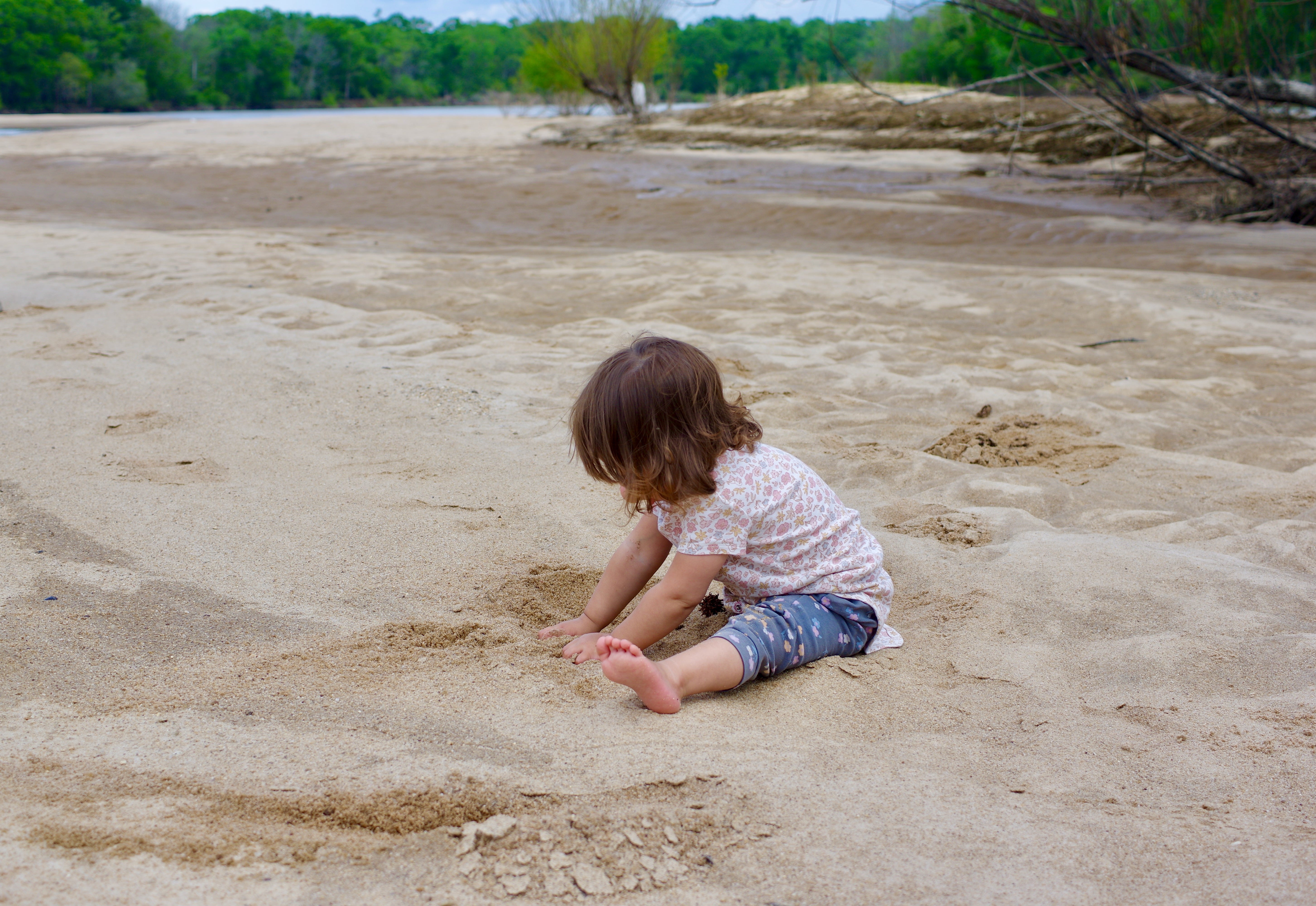
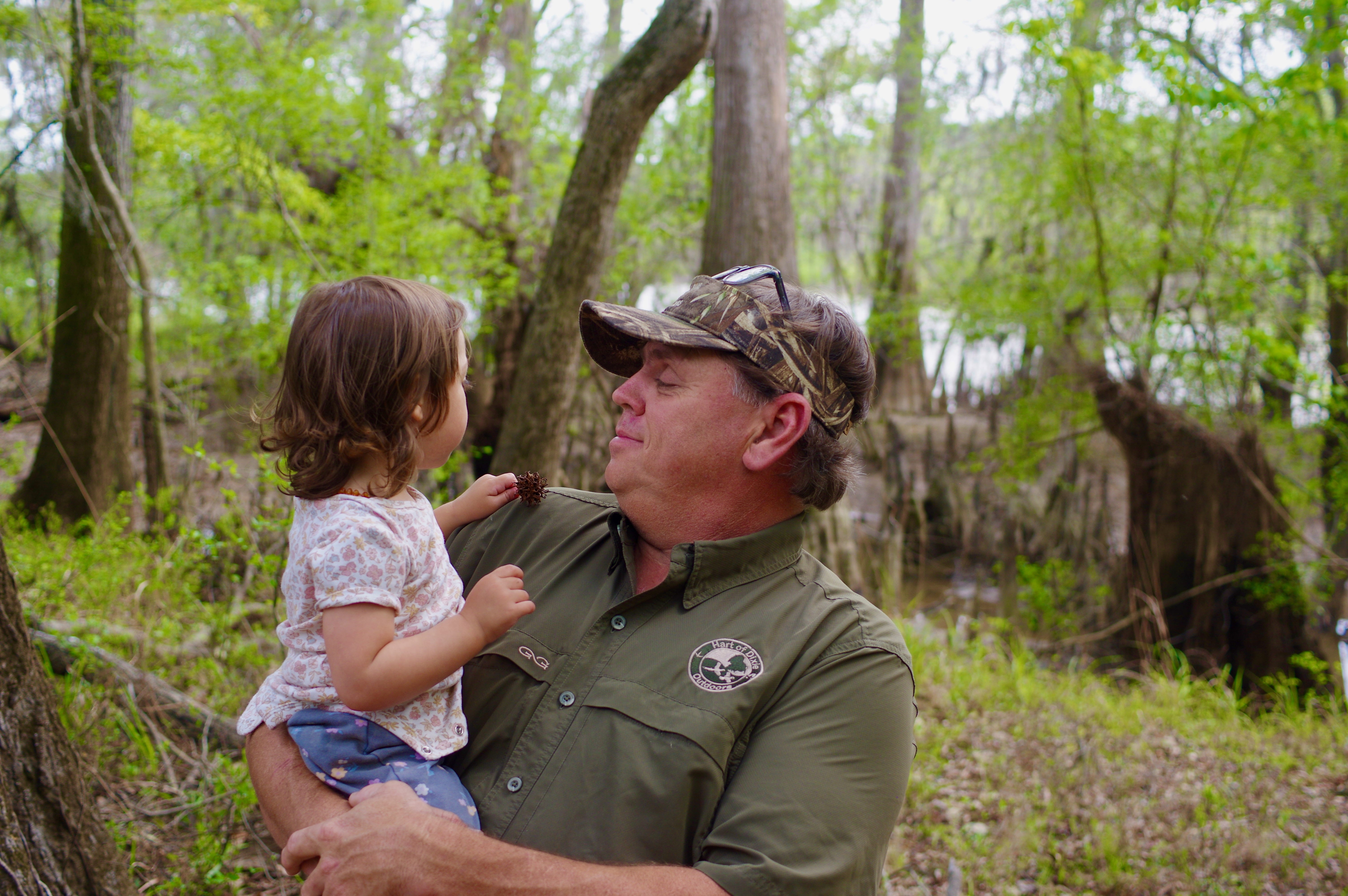
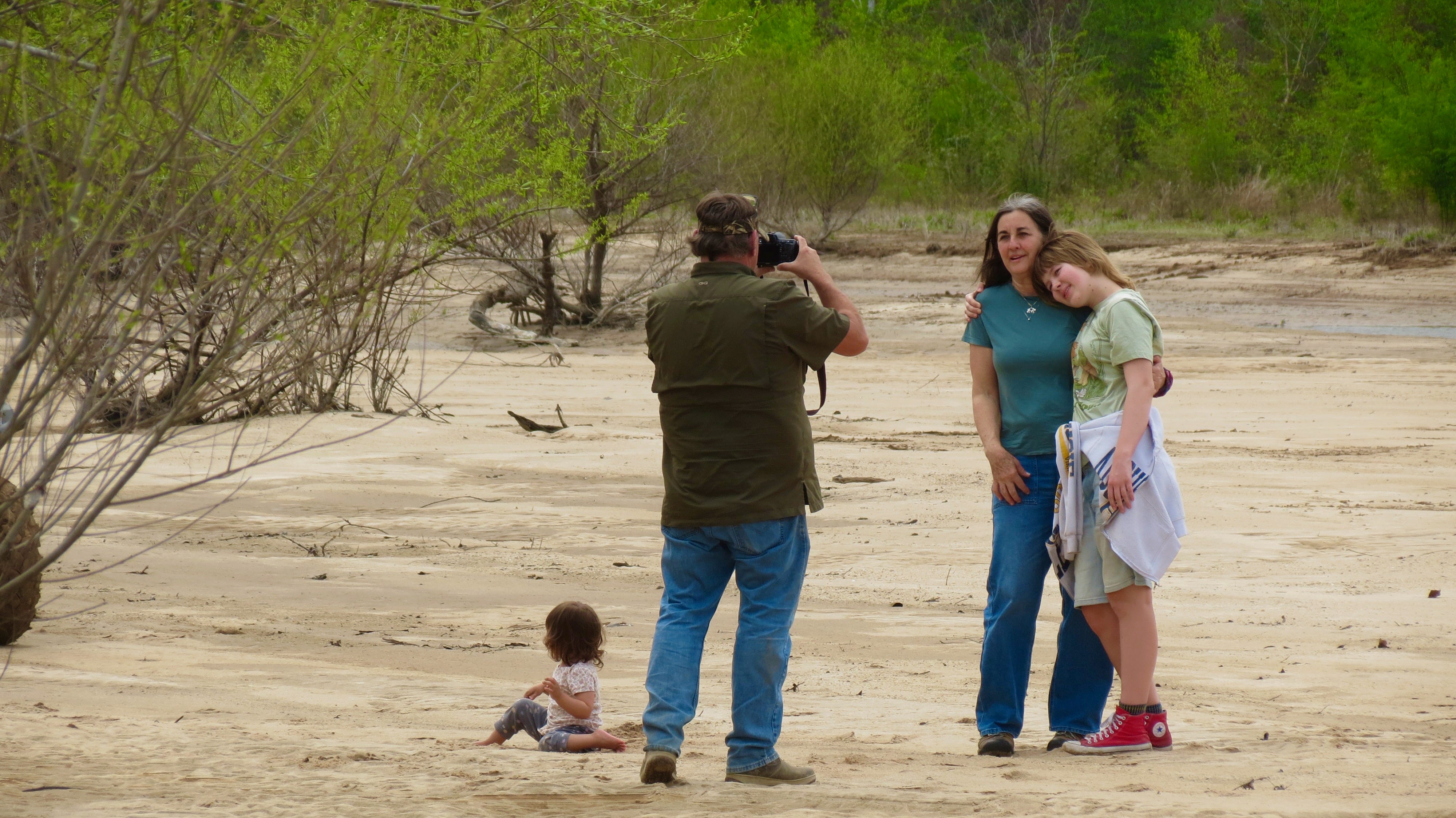
After a lovely hour on the sandy banks of the delicious Altamaha, we piled into Honeybun’s buggy and circled slowly back out of the swamp,
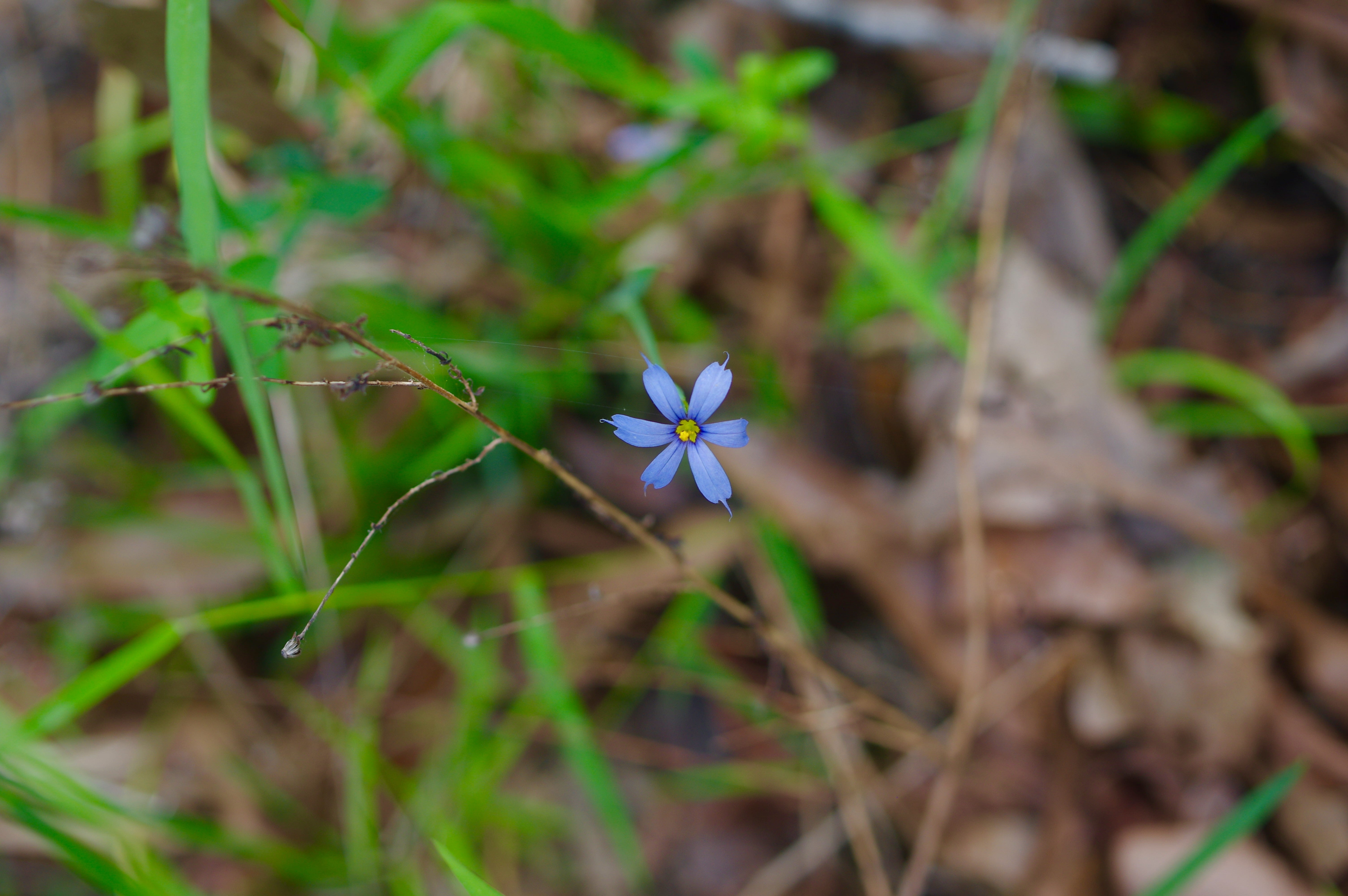
past sloughs thick with old trees, past blooming woodbine and wood violets, leaping deer and running turkeys, a field of Atamasco lilies and a barred owl swiveling its head to grimace at us.
That night we dream of diving so deep into blackwater that we emerge into the vast blue sky on the other side.
I Am Wondering
Is this landscape foreign to you? Or are you intimate with blackwater swamps? Where have you seen one? What wonderful thing has happened to you in one of them?
Free Copy of Chris Fink Book
I have an extra unsigned hardback copy of Chris’s short story collection Add This To the List of Things That You Are. It is described as “dark and stunning.” Richard Bausch said, “Chris Fink is writing some of the best stories being written today.” I only have one copy, so I can only send this to one person. If you would like it, make a case (in the comments) for it finding a home in your library.
Last Six Days to Register for My Summer Memoir Course
At a glance, the course is:
All about writing memoir, your own stories, any length work
Wednesdays 1-2 pm Eastern US/Canada Time
Weekly for 12 weeks
Twelve 1-hour sessions on writing structure, technique, and craft
June 3-Aug. 19, 2026
Live via Zoom, webinar style (chat is open)
Recorded
$300 ($355 if you want the course bundled with Craft & Current and more)
For beginners to those already published
Time to write. You’ll have 30+ pieces of your writing by the end of summer
Pages of useful handouts in pdf format
Information on printing, binding, & publishing
Access to online extra Office Hours, Coworking Sessions, Q&As, Guest Speakers, Listening Sessions & Critique Groups
Honest, authentic interest in your story & belief in you
Session dates are June 3 / June 10 / June 17 / June 24 / July 1 / July 8 / July 15 / July 22 / July 29 / Aug. 5 / Aug. 12 / Aug. 19.
An Open Mic Night is currently set for Thursday, Aug. 20, 2026, at 6 pm ET.
It’s important to know that participant numbers are not limited in Memoir Summer. Each of the twelve sessions is webinar-style, designed to save you time. I am the only one speaking. I pack the hour with writing prompts, exercises, good information, advice, inspiration, and challenges. This eliminates “light” activities like introductions or questions that have no bearing on your needs.
You are encouraged to set a goal and commit to a time to write outside course sessions.
The goal is getting your stories down on the page, as many pages as needed, as many pages as possible.
I offer lots of additional optional sessions that are interactive, community-building, for smaller numbers of writers, and part of the course.
Memoir Summer is $300. I’ve taught memoir-writing for over 30 years. I’ve helped writers write better, be happier with their work, get clear on their goals, find agents, publish essays, publish books, self-publish, and much more.
However, I do not advise taking my course..
if you plan to go into debt to pay for it
if you think you can quickly recoup this investment
if you need a small-group setting to learn
if you’re really wanting to write something other than memoir
if you don’t trust that I can help you.
Otherwise, I’m your guide. I’m here for your idea, your project, your book, your creativity.
At this link, you’ll find more information and registration.
Thank You
Thank you for your continued support of my writing and writing life. I’ll see you back here next Wednesday afternoon. Have a great start of summer.
Thank you for sharing this amazing piece of landscape with us. Beautiful. I’m very well acquainted with these blackwater areas as I grew up in Miami exploring the Everglades and Big Cypress areas. Later in life I moved to northeast Florida and now consider Jennings State Forest and the black creek floodplain home. I’m actually reading your book Drifting into Darien at this very moment. So, your post was perfect! I would gladly accept and enjoy Chris’s book if you need a good home and coffee table to share it with. Thanks again for sharing!
Thanks for reminding us that places like this still exist. I’m glad it is protected.
When you asked for our encounters with black water swamps, I thought of my two trips to Okefenokee in the early 1990s. I recall canoeing past the Cypress swamps and a few alligators, and exploring Billy’s Island. Random remnants of the town were scattered across the island, reminding me that people once lived there and harvested the trees. They also reminded me that nature can recover, given the chance. Most of all, I remember Barred Owls hooting from the trees and Pig Frogs grunting all night long.
In the local politics here my prayers for conservation and nature’s recovery are likely considered blasphemy and an obstacle to progress, but I continue to hope and to do what I can.